Apartment Mold Remediation
Professional mold removal and remediation for apartments to restore safe living conditions.
Mold growth in Norristown apartments often hides behind walls, under flooring, or inside ventilation systems, where it spreads unseen until it becomes a larger problem. Professional remediation involves containment, removal of contaminated materials, structural drying, and independent testing to confirm the work meets health standards.
The process focuses on eliminating visible mold while addressing moisture sources to help prevent regrowth in the same areas.
We also handle Pet Urine Mold Treatment and Salt Air Mold Remediation for Norristown properties.
When mold remediation is needed
Mold covering more than a small patch—typically over 25 square feet—often signals a problem beyond what can be safely cleaned by a homeowner. Persistent regrowth in the same spot after cleaning usually means the moisture source, like a leak or condensation issue, hasn’t been addressed.
A musty smell with no visible mold often indicates hidden growth inside walls, under flooring, or within ductwork, where spores can spread through an entire living space.
Rooms that stay damp due to poor airflow, such as windowless bathrooms or basements, are high-risk areas. If mold appears in these spaces repeatedly, it suggests the environment remains conducive to growth. Checking humidity levels in these rooms after remediation can help monitor whether conditions have improved.
Signs Mold Remediation Is Needed
- Mold covers more than a small, isolated patch (typically over 25 square feet).
- Growth returns in the same spot after cleaning, suggesting the moisture source isn’t fixed.
- A musty smell persists with no visible mold, indicating hidden growth in walls, flooring, or ducts.
- Damp areas with poor airflow (e.g., windowless bathrooms, basements) show repeated mold growth.
What affects pricing and timing
The total area affected by mold, including hidden growth behind walls or under flooring, directly impacts cost and duration. Remediation in Norristown typically involves containment, removal of contaminated materials, and structural drying, all of which require time to complete safely.
Drying time depends on humidity levels and the size of the space, while containment and clearance testing add to the overall timeline.
Post-remediation steps, such as fixing leaks or improving airflow, are critical to helping the finish last. These steps aren’t always included in the initial remediation quote, so homeowners should clarify whether they’re part of the scope or an additional cost.
Independent clearance testing, required to confirm spore levels are back to normal, is often priced separately and can influence the total project cost.
What to watch for in a quote
A detailed, written scope of work is essential for comparing bids and avoiding unexpected costs. The quote should specify whether inspection, containment, remediation, and clearance testing are included or priced separately. Vague area estimates or pressure to sign during the inspection visit can signal potential issues down the line.
Ask whether the quote separates remediation (removing existing mold) from prevention (fixing moisture sources). Skipping the moisture fix often leads to regrowth, which may require calling for the same service again within a year. Independent clearance testing confirms the work meets health standards, so ensure it’s part of the process.
| Red Flag | Why It Matters |
|---|---|
| No written scope of work | Makes it hard to compare bids or hold the provider accountable. |
| Pressure to sign during inspection | Legitimate scopes take time to prepare; rushing may exclude key details. |
| No mention of clearance testing | Without testing, there’s no confirmation the mold is fully addressed. |
| Full payment requested upfront | Removes leverage if the job isn’t completed as promised. |
How apartment mold remediation works
Remediation follows a structured process to safely remove mold and prevent regrowth.
- 1Containment Setup
Plastic sheeting and negative-air machines seal off the work area to prevent spores from spreading to unaffected parts of the apartment. This step is critical for stopping contamination during removal.
- 2Material Removal or Cleaning
Porous materials like drywall or insulation, which absorb mold, are typically cut out and bagged inside containment. Non-porous surfaces like tile or framing are scrubbed and treated instead of discarded.
- 3HEPA Filtration and Drying
HEPA-filtered air scrubbers and vacuums capture spores during removal, while industrial dehumidifiers and air movers dry structural materials to normal moisture levels. This helps ensure mold doesn’t regrow on damp surfaces.
- 4Clearance Testing
An independent lab tests air or surfaces after remediation to confirm spore counts are back to a normal range. This step verifies the work meets health standards before containment is removed.
- 5Moisture Source Fix
Addressing leaks, condensation, or grading issues that caused the mold is essential. Without fixing the source, the same materials may become contaminated again over time.
Frequently asked questions
Can I clean small mold patches myself, or should I call a professional?
Small, isolated patches—under 25 square feet—can often be cleaned with the right supplies and precautions. However, if the mold keeps returning or you notice it in hidden areas like walls or ducts, professional remediation is recommended to ensure safety and effectiveness.
How long does the remediation process usually take?
Timing depends on the size of the affected area, humidity levels, and whether hidden mold is involved. Containment, removal, and drying can take days to over a week, while clearance testing adds a few extra days. Drying time is the most variable factor.
Will the apartment need to be closed off during remediation?
Yes, containment requires sealing off the work area to prevent spores from spreading. This means the affected room or unit will be inaccessible until the process is complete and clearance testing confirms it’s safe to re-enter.
What should I do to help prevent mold from coming back?
Fix any leaks or moisture sources, improve airflow in damp areas with fans or dehumidifiers, and monitor humidity levels in previously affected rooms. Regular checks for musty smells or visible growth can help catch issues early.
Where Norristown sits, and what the Census lists nearby
Norristown sits in Pennsylvania, and the closest places listed in the U.S. Census Gazetteer are Bridgeport (1.3 miles south), Swedesburg (1.4 miles south), Swedeland (2.4 miles south), King of Prussia (2.7 miles southwest). Within 25 miles of Norristown the same source lists 222 distinct incorporated places and census-designated places.
Those figures matter for apartment mold remediation because they are straight-line distances between Census coordinate points: road mileage between Norristown and Bridgeport runs longer than the 1.3 miles shown, which is why quotes for the same job differ between towns that look close together on a map.
Source: U.S. Census Bureau Gazetteer.
See Devon, PA for more, or our Norristown team for our complete lineup.
Ready to get started?
Talk to a local mold remediation pro in Norristown — get a written quote.
Other Mold Remediation Services in Norristown
Pet Urine Mold Treatment in Norristown, PA
Professional removal of mold caused by pet urine in homes, including assessment and treatment.
Learn More
Salt Air Mold Remediation in Norristown, PA
Professional mold assessment, containment, removal, and prevention in affected areas of the home.
Learn More
Pre-Winter Mold Prevention in Norristown, PA
Pre-winter mold prevention involves inspection and treatment to stop mold growth before cold weather.
Learn More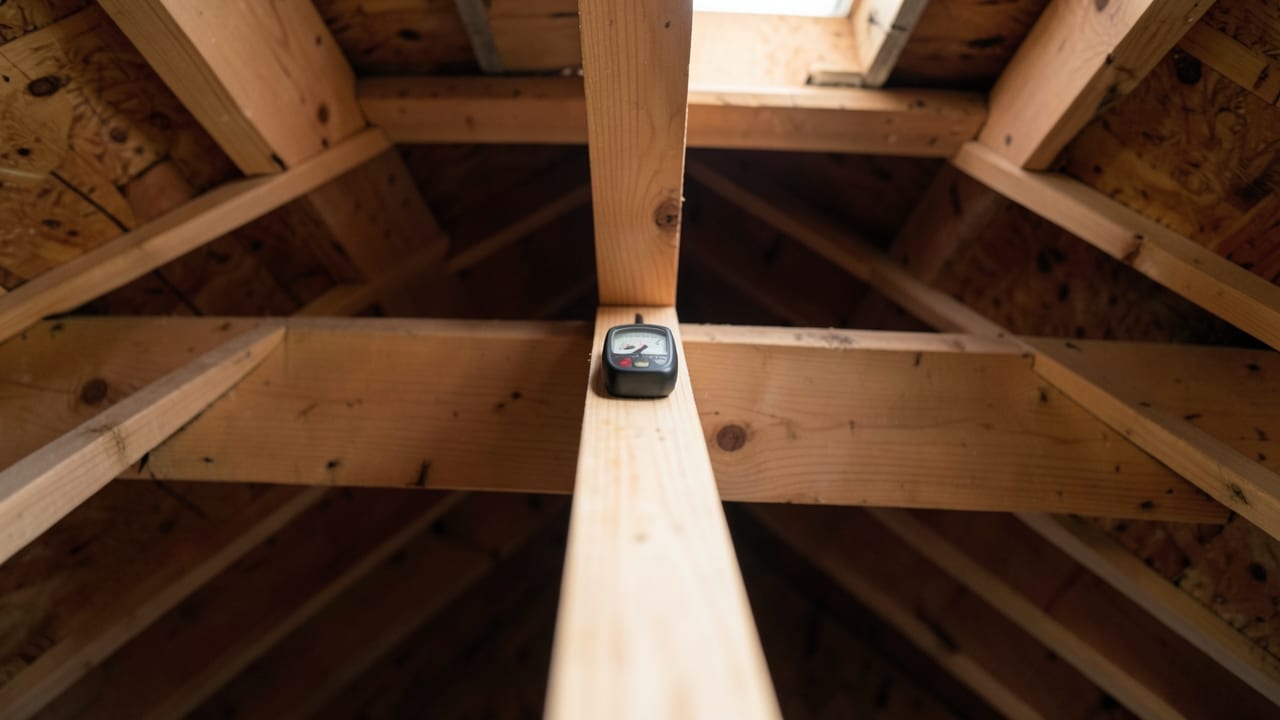
Spring Mold Inspection in Norristown, PA
Professional assessment and identification of mold growth in homes.
Learn More
Move-In Mold Assessment in Norristown, PA
Professional inspection and assessment of mold presence before moving into a property.
Learn More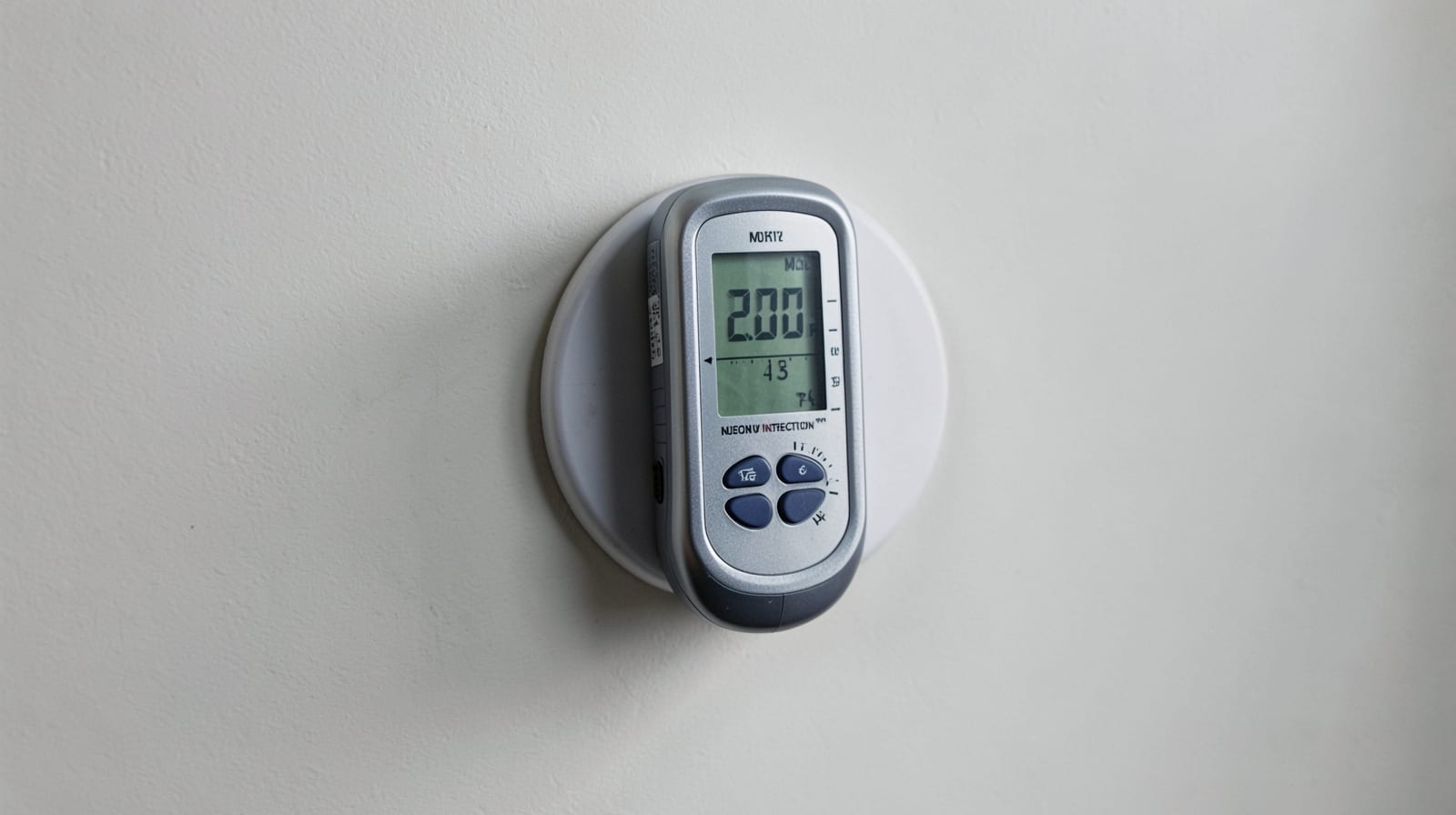
Mold Inspection in Norristown, PA
Mold inspection in Norristown, PA — a visual and moisture-meter assessment that finds the source of growth, not just the visible spot on the wall.
Learn MoreCommon Questions About Mold Remediation in Norristown
Everything you need to know about mold remediation services in Norristown
How much does Apartment Mold Remediation typically cost in Norristown, PA?
Why does Norristown, PA's humidity make mold a bigger risk than in drier regions?
What's the actual difference between mold removal and mold remediation?
Is a final clearance test part of a typical mold remediation job?
How does mold remediation actually prevent the problem from coming back?
Can mold growing inside HVAC ductwork spread to the rest of a home?
Need Mold Remediation in Norristown?
Connect with local providers in Norristown for a detailed quote.
⏰ We answer your call • Serving all of Norristown and surrounding areas