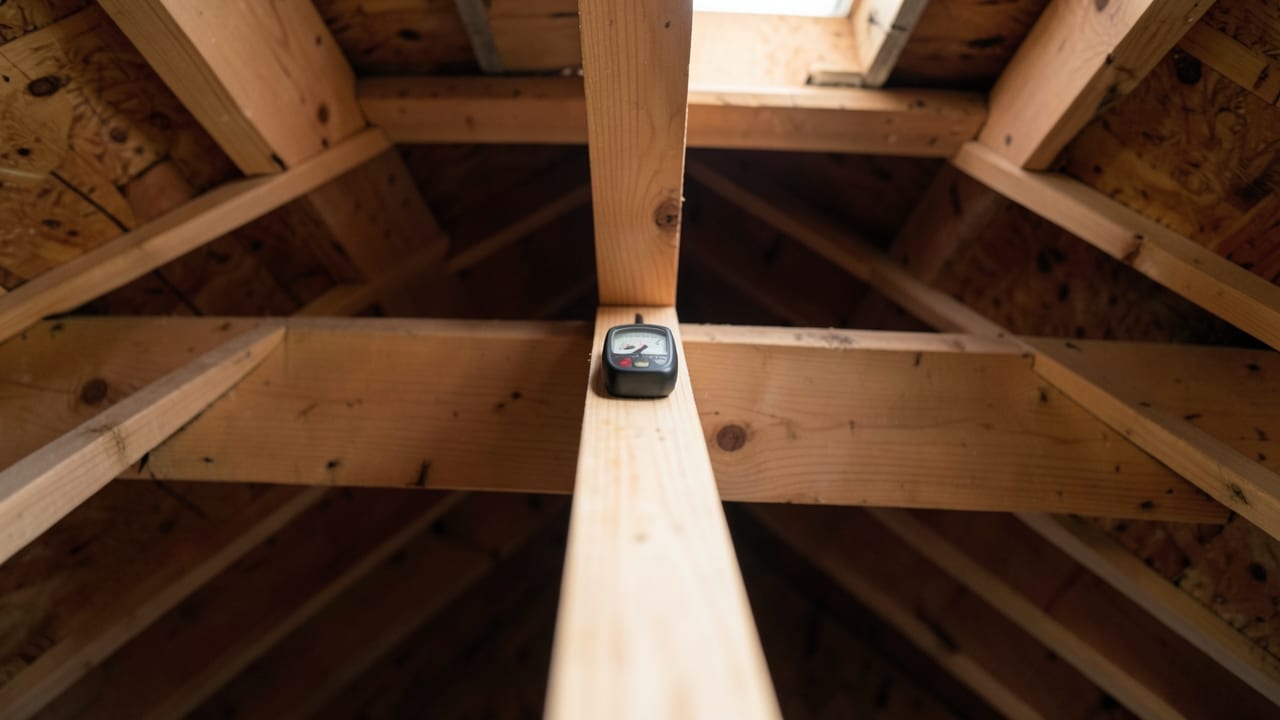
Spring Mold Inspection
Professional assessment and identification of mold growth in homes.
Spring in Norristown, PA, brings higher humidity and rainfall, creating ideal conditions for mold growth in homes. A professional spring mold inspection assesses hidden moisture sources, identifies mold presence, and provides a detailed report to guide remediation—helping homeowners address issues before they worsen.
This service is tailored for private residences in Norristown and surrounding areas, ensuring a thorough, science-backed evaluation of potential indoor mold risks.
We also handle Crawl Space & Basement Mold Remediation and Attic Mold Remediation for Norristown properties.
Signs you need a spring mold inspection
Mold often hides behind walls or under floors until it’s already spread. In Norristown homes, common warning signs include a persistent musty or earthy smell in closets, bathrooms, or basements—especially one that doesn’t fade after airing out.
Visible mold, appearing as black, green, brown, or dark speckles on drywall, grout, window frames, or under carpets, is another clear indicator. Even if you don’t see mold, symptoms like sneezing, headaches, or itchy eyes that improve when you leave a specific room may suggest hidden growth.
Past water damage, such as a leak or flood that was cleaned up but never professionally inspected beneath surfaces, can also lead to mold. A spring inspection is particularly valuable after winter, when moisture from snowmelt or indoor humidity may have seeped into walls or basements unnoticed.
Addressing these issues early can prevent costly remediation down the line.
When to Schedule an Inspection
- A musty or earthy smell lingers in a room even after cleaning or airing it out.
- You see visible mold growth—black, green, brown, or dark spots—on walls, ceilings, grout, or under carpets.
- You’ve had a past leak or flood, even if it was cleaned up, and the affected area hasn’t been professionally checked.
- Residents experience unexplained allergies, headaches, or respiratory issues that improve when away from home.
- Your home has experienced recent humidity spikes, poor ventilation, or water intrusion from seasonal changes.
What a spring mold inspection covers
A professional inspection goes beyond just looking for mold. Trained inspectors use moisture meters and thermal imaging to detect hidden dampness in walls, ceilings, and subfloors—areas where mold often thrives without visible signs.
They also collect air and surface samples from affected areas plus a control room to compare lab results against a baseline, ensuring accurate species identification and spore concentration.
The inspection includes tracing moisture back to its source, whether it’s a roof leak, plumbing issue, poor grading, or condensation. Without addressing the root cause, mold is likely to return.
The findings are documented in a written scope report, which outlines affected materials, the moisture source, and the square footage involved—critical information for any remediation contractor and often required by law before work begins.
| Step | Tool/Method | Purpose |
|---|---|---|
| Visual Inspection | Flashlight, moisture meter | Identify visible mold, staining, and water damage in walls, ceilings, and basements. |
| Moisture Detection | Moisture meter, thermal imaging | Locate hidden dampness in cavities, subfloors, and roof lines that aren’t visible to the naked eye. |
| Air Sampling | Spore-trap air samples | Measure mold spore concentration in affected areas compared to a control room. |
| Surface Sampling | Swabs from suspect areas | Collect mold samples for lab analysis to identify species and contamination levels. |
| Moisture Source Diagnosis | Inspection of plumbing, roof, grading | Determine the origin of moisture to prevent recurrence. |
| Lab Analysis | Third-party accredited lab | Confirm species, spore count, and contamination levels for accurate reporting. |
| Written Report | Detailed scope document | Summarize findings, affected materials, and moisture sources for remediation planning. |
What affects pricing and timing
The cost of a spring mold inspection in Norristown typically ranges between $250 and $350, covering the visual walkthrough, moisture testing, and sample collection.
This estimate reflects the standard scope for a private residence and does not include remediation or additional services like containment or clearance testing, which may be priced separately.
Timing for the inspection itself is usually completed within a few hours, depending on the size of the home and accessibility of areas like basements or crawl spaces.
Lab results from third-party testing typically take two to five business days, as samples must be processed and analyzed for accurate species identification and spore counts.
How a spring mold inspection works
A thorough inspection follows a structured process to identify mold and moisture issues in your home.
- 1Visual and Moisture Assessment
The inspector examines every room, focusing on areas prone to mold—walls, ceilings, basements, and crawl spaces. They use a moisture meter and thermal imaging to detect hidden dampness in cavities and behind surfaces, which isn’t visible during a standard walkthrough.
- 2Sample Collection
Air samples are taken using spore traps, and surface swabs collect mold from suspect areas. A control room, unaffected by mold, is also sampled to provide a baseline for lab comparison, ensuring results are accurate and not influenced by cross-contamination.
- 3Moisture Source Investigation
The inspector traces moisture back to its origin, whether it’s a roof leak, plumbing issue, poor ventilation, or condensation. Identifying the source is critical, as addressing it prevents mold from returning after remediation.
- 4Lab Analysis and Reporting
Samples are sent to an independent, accredited lab for analysis. Results typically return in two to five business days, detailing species, spore counts, and contamination levels. The inspector then compiles findings into a written scope report, outlining affected materials, moisture sources, and square footage involved.
- 5Remediation Guidance
The report serves as a roadmap for remediation, including which materials need treatment and where moisture control measures should be implemented. It also helps homeowners understand the next steps, whether that’s hiring a contractor or addressing minor issues themselves.
Frequently asked questions
Can I do a mold inspection myself, or do I need a professional?
While you can spot visible mold or musty smells, a professional inspection uses specialized tools like moisture meters and thermal imaging to detect hidden issues. They also collect samples for lab analysis, which is essential for accurate species identification and determining the extent of contamination. DIY methods often miss hidden mold or moisture sources, leading to incomplete solutions.
What should I do if I find mold during the inspection?
If mold is confirmed, the inspection report will outline the affected areas and moisture sources. The next step is typically hiring a licensed remediation contractor to address the growth and fix the underlying moisture issue. Avoid disturbing the mold yourself, as this can spread spores and worsen contamination. Always follow the remediation contractor’s containment and safety protocols.
How do I prevent mold from coming back after an inspection?
Preventing mold requires controlling moisture. Keep indoor humidity below 50% using a dehumidifier, especially in basements and bathrooms. Fix leaks promptly, run bathroom exhaust fans for 20–30 minutes after showers, and ensure proper ventilation in all living spaces. Conduct seasonal checks of crawl spaces and basements to catch early signs of dampness.
Is the lab analysis included in the inspection cost, or is it extra?
The standard inspection cost typically includes sample collection and lab analysis. However, always confirm this with the inspector, as pricing structures can vary. Lab results are essential for accurate species identification and spore counts, which inform the remediation process.
Where Norristown sits, and what the Census lists nearby
Norristown sits in Pennsylvania, and the closest places listed in the U.S. Census Gazetteer are Bridgeport (1.3 miles south), Swedesburg (1.4 miles south), Swedeland (2.4 miles south), King of Prussia (2.7 miles southwest). Within 25 miles of Norristown the same source lists 222 distinct incorporated places and census-designated places.
Those figures matter for spring mold inspection because they are straight-line distances between Census coordinate points: road mileage between Norristown and Bridgeport runs longer than the 1.3 miles shown, which is why quotes for the same job differ between towns that look close together on a map.
Source: U.S. Census Bureau Gazetteer.
See Audubon, PA for more, or take a look at what's included in our Norristown service by service type for our complete lineup.
Ready to get started?
Talk to a local mold remediation pro in Norristown — get a written quote.
Other Mold Remediation Services in Norristown
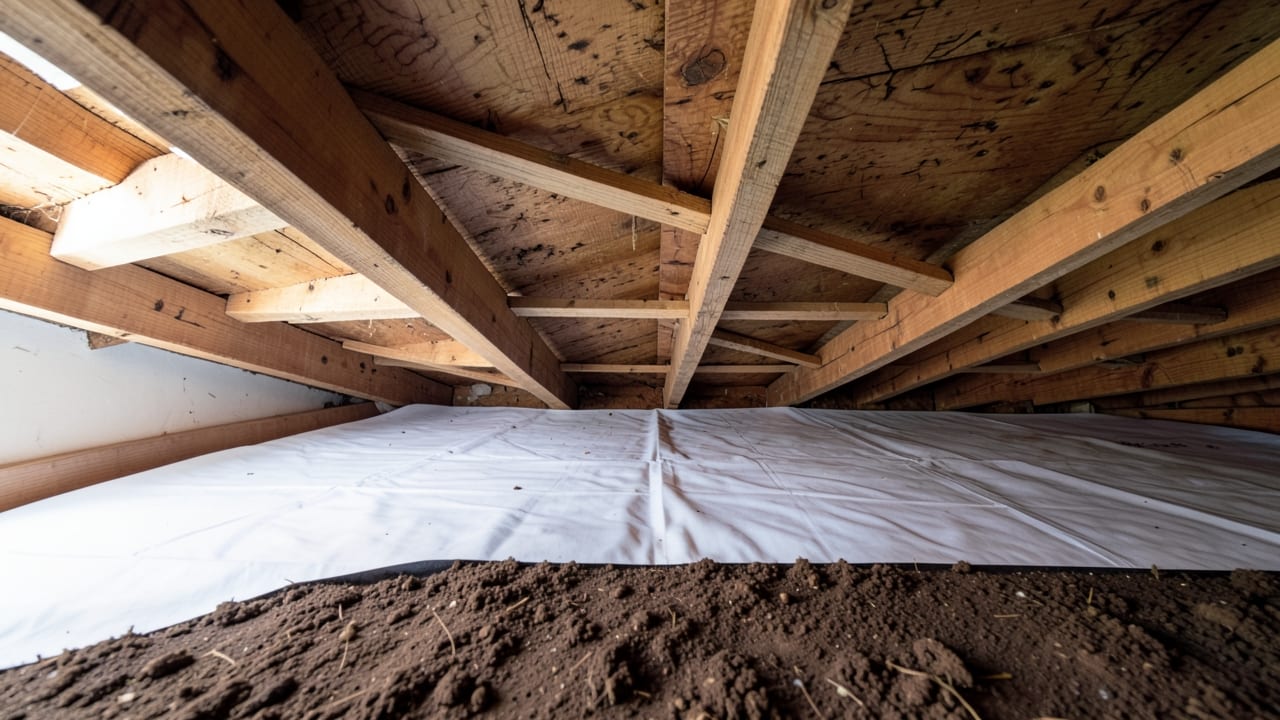
Crawl Space & Basement Mold Remediation in Norristown, PA
Crawl space and basement mold remediation in Norristown, PA addresses the two areas of a property most prone to trapped, unnoticed moisture.
Learn More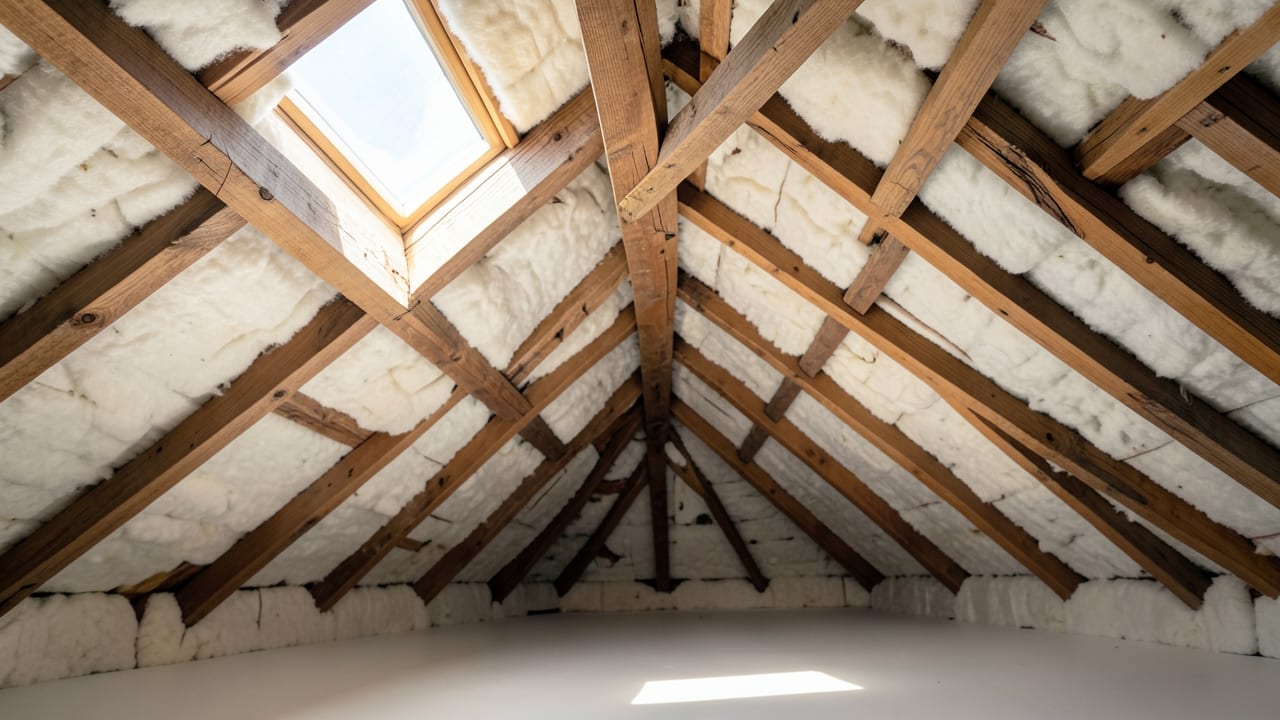
Attic Mold Remediation in Norristown, PA
Attic mold remediation in Norristown, PA addresses roof-deck growth typically caused by poor ventilation or a hidden roof leak.
Learn More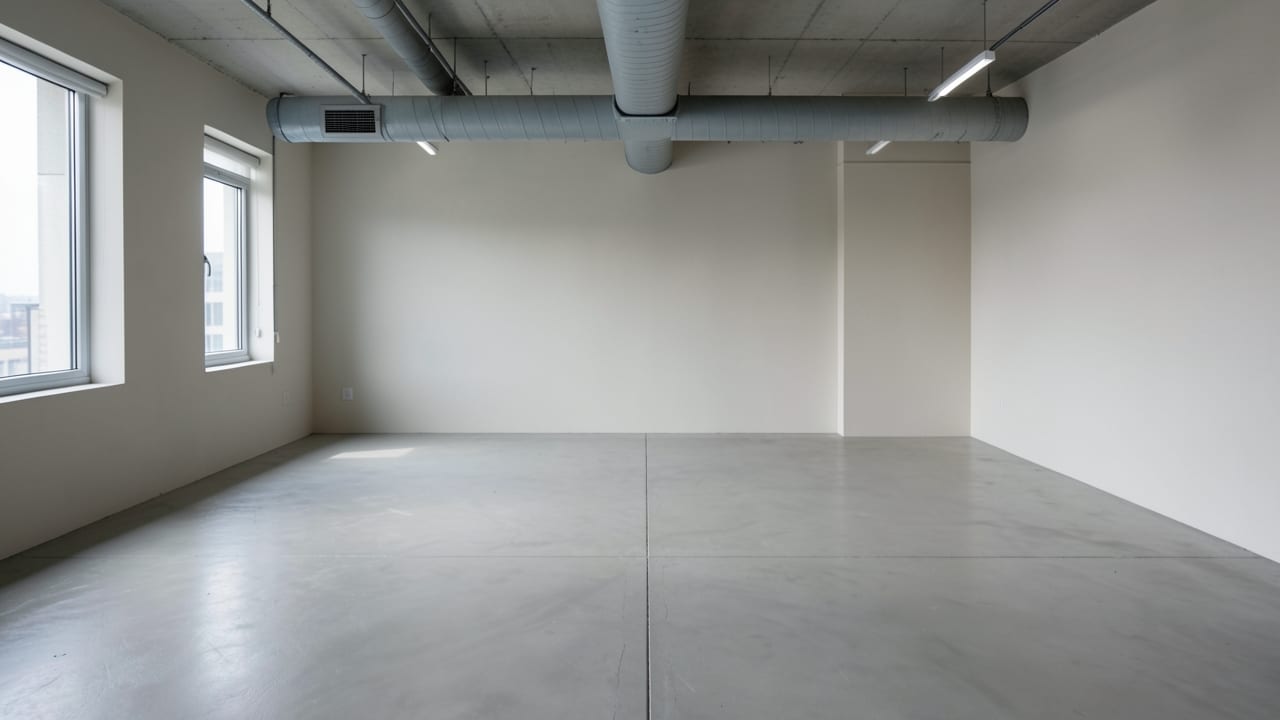
Commercial Mold Remediation in Norristown, PA
Commercial mold inspection and remediation in Norristown, PA for offices, retail space, and multi-unit properties, scheduled around business operations.
Learn More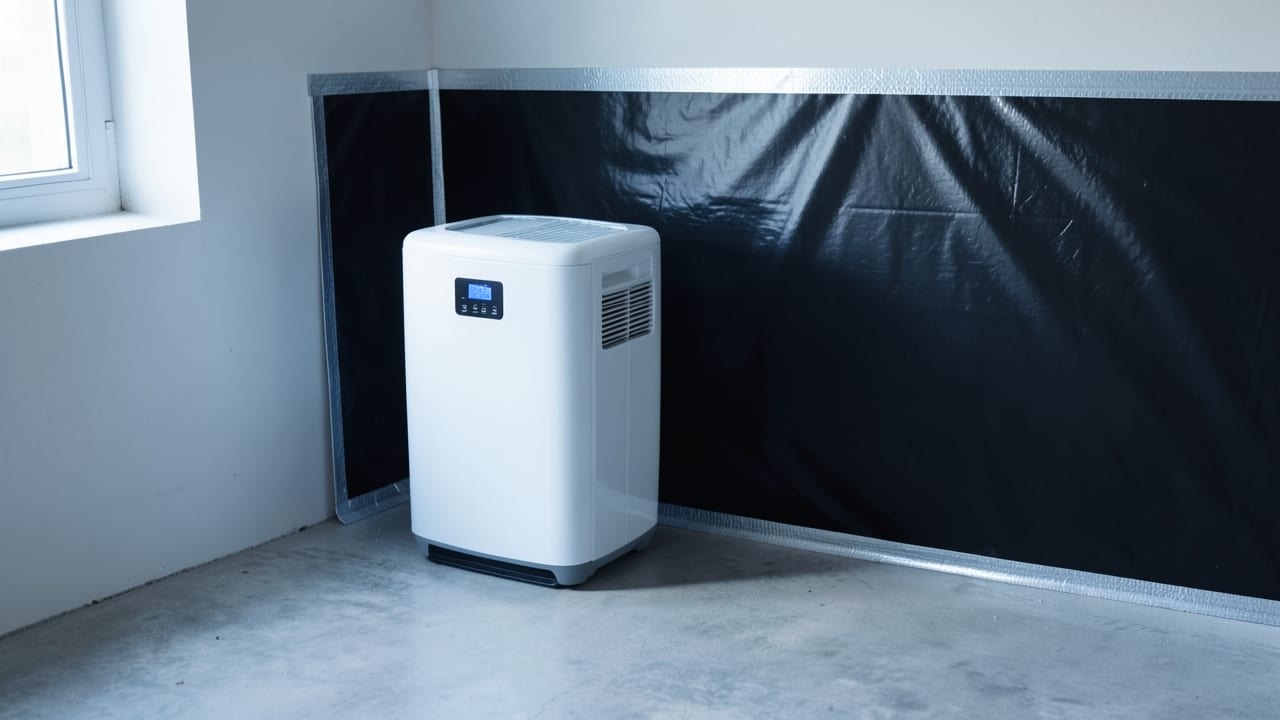
Mold Prevention & Moisture Control in Norristown, PA
Mold prevention and moisture control in Norristown, PA — addressing ventilation, humidity, and drainage before growth starts, not after.
Learn More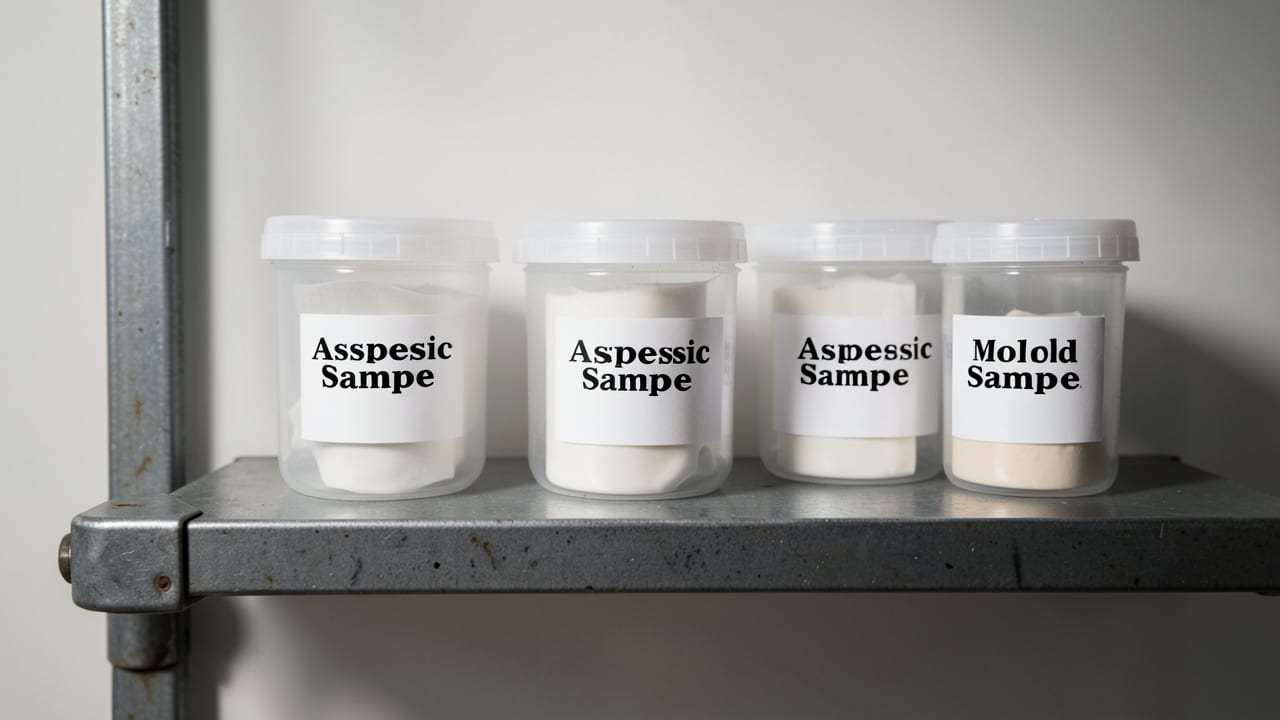
Mold & Asbestos Testing in Norristown, PA
Combined mold and asbestos testing in Norristown, PA — one inspection visit, lab-verified results for both.
Learn More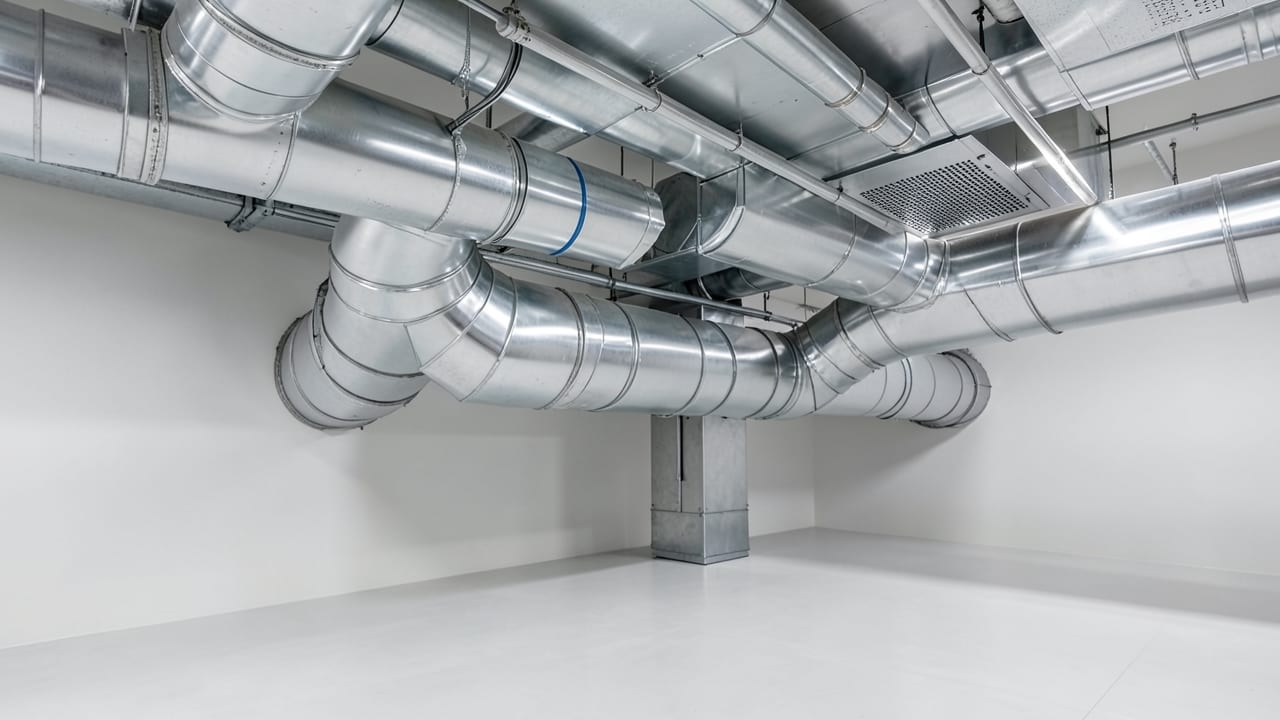
HVAC Mold Remediation in Norristown, PA
HVAC and ductwork mold remediation in Norristown, PA — mold growing inside the air handler or duct system, spreading through every vent.
Learn MoreCommon Questions About Mold Remediation in Norristown
Everything you need to know about mold remediation services in Norristown
How much does Spring Mold Inspection typically cost in Norristown, PA?
Why does Norristown, PA's humidity make mold a bigger risk than in drier regions?
How does mold remediation actually prevent the problem from coming back?
Can mold growing inside HVAC ductwork spread to the rest of a home?
Does mold mean the same thing as mildew?
Does homeowners insurance typically cover mold remediation?
Need Mold Remediation in Norristown?
Connect with local providers in Norristown for a detailed quote.
⏰ We answer your call • Serving all of Norristown and surrounding areas